


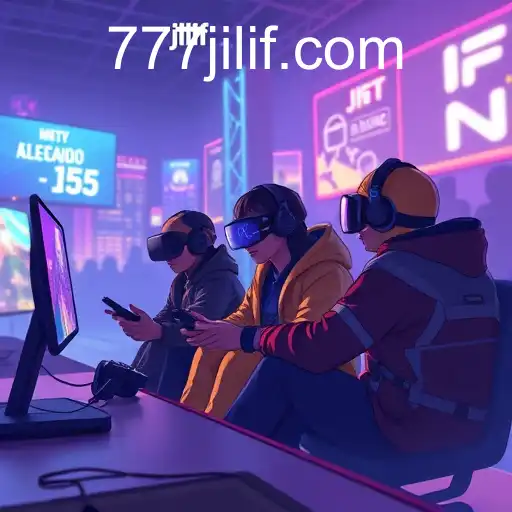
Exploring how online gaming platforms are shaping everyday experiences and social interactions.
As the world continues to delve deeper into the digital age, online gaming has become more than just a pastime; it is a significant cultural and social phenomenon. The gaming platform 'jilif' has recently grabbed attention due to its innovative approach to engaging users in interactive and immersive experiences. But what impact does this have on our daily lives?
The year 2025 marks a notable shift in how digital interactions are viewed. As people spend more time indoors, especially in urban areas where outdoor activities are limited due to space constraints or climate conditions, platforms like jilif have become essential. They provide not only entertainment but also avenues for social interaction and community building. Users can connect with others across the globe, form friendships, and even collaborate on projects beyond the gaming world.
Moreover, such platforms have opened up discussions regarding the psychological effects of gaming. While some argue that increased screen time may lead to social alienation, studies reveal that online platforms offering cooperative games enhance teamwork and communication skills. Jilif, in particular, promotes group tasks and problem-solving challenges that require strategic thinking and collaboration, skills that are transferable to real-world situations.
Economically, the rise of gaming platforms like jilif has created a new market for digital goods and services. Virtual reality enhancements, exclusive downloadable content, and subscription models have revolutionized the ways companies generate revenue and sustain themselves. Investors are keenly observing these patterns and investing heavily in such ventures, anticipating substantial growth.
An often overlooked aspect is education. Jilif has partnered with educational institutions to integrate curriculum-based games that make learning engaging and interactive. This modern approach has been praised for its ability to capture students' attention and provide alternative methods of education that break away from traditional classroom settings.
In summary, as online platforms such as jilif continue to evolve, they redefine not only how we play games but also how we interact, learn, and connect with others. Discussions regarding the balance of these activities are ongoing, with experts keen to explore further the benefits and potential drawbacks. However, the positive trends in digital interaction and connectivity are undeniable, promising a future where technology continues to enhance human experience in unprecedented ways.

